Introduction
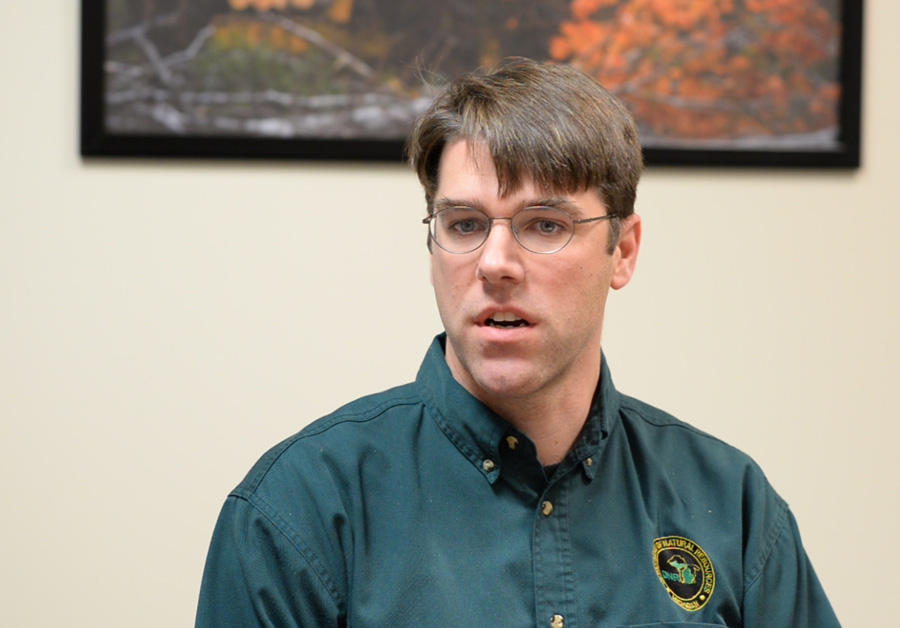
A couple of months ago, I found myself waiting in the drafty security area that sits between the two halves of Constitution Hall in Lansing while a guard called Christopher L. Hoving to come down and escort me into the building. The two halves house Michigan’s Department of Environmental Quality (DEQ) and Department of Natural Resources (DNR). In the Wildlife Division of the DNR, Chris is the Adaptation Specialist who works with counterparts in other Great Lakes States in assessing how best to manage wildlife. He is also the lead author of a report issued nearly two years ago called Changing Climate – Changing Wildlife. The report describes the results of an effort to assess the vulnerability of Michigan’s best known wildlife species to the impacts of climate change.
Ruffed Grouse
Chris had agreed to talk with me about the report and the implications of what he is learning. Though the conference room was a bit noisy and I am a novice at managing my own video equipment for interviews, we both gave it a go. What follows is short summary of our one-hour discussion with links to a few short video clips from the interview.
The Interview
Working with a number of different experts in the DNR and the Michigan Natural Features Inventory (http://mnfi.anr.msu.edu/), Chris helped to characterize the vulnerability of individual wildlife species to the various impacts of climate changes now overtaking Michigan. The methodology for this assessment was provided by NatureServe, a respected conservation science group with many partners. In general, vulnerability can be seen as a combination of a creature’s sensitivity to changes in a specific environmental factor such as heat together with that creature’s ability to avoid exposure to unacceptable factors, such as moving to cooler locations. Other vulnerabilities arise when sources of food and shelter change or are lost as climates shift. Ultimately Chris and his colleagues pulled together the information and completed climate change vulnerability assessments on 400 of Michigan’s wildlife species. As Chris describes in the first video segment, the DNR’s vulnerability assessment addresses the risks of population decline by mid-century due to changes in Michigan’s climate. Given the amount of carbon dioxide already in our atmosphere, there will be a 5 degree Fahrenheit increase in average temperatures and a drying of many soils across Michigan by mid-century. The vulnerability assessment shows that many our wildlife species will not be able to cope with these changes. VIDEO – SEGMENT 1
Other climate changes are also already underway, with more anticipated. For example increases in the frequency and severity of extreme storm events have been measured over the past couple of decades and climate models indicate a continuing increasing storminess in the decades ahead. Although these storms include severe downpours, the water runs off quickly to cause flooding downstream, but fails to return lasting moisture to the soils.
Blanchard’s Cricket Frog
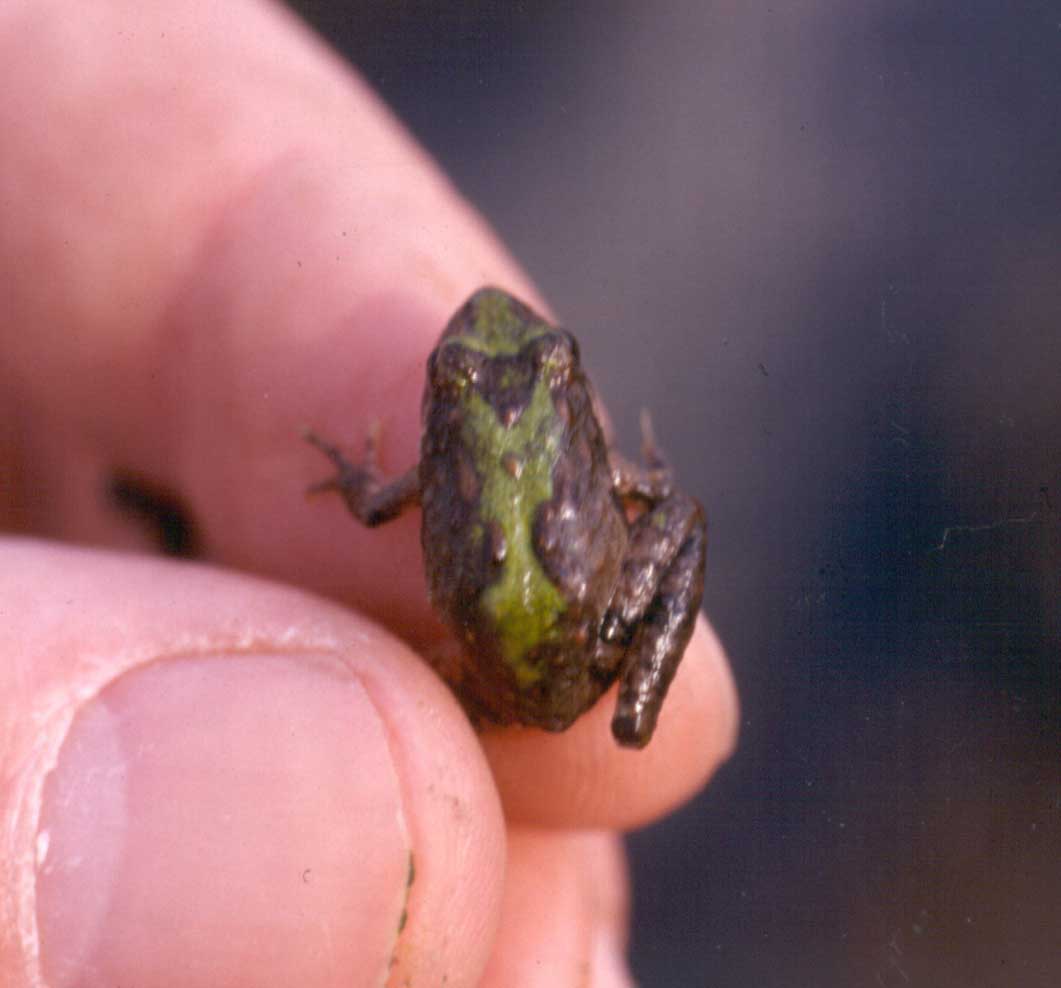
Some examples of climate-vulnerable wildlife species are frogs, toads and salamanders. Chris points out that these species tend to breed in temporary spring ponds that often dry up in the summer. However, temperature increases and highly variable storm events, as well as human development, are already reducing these temporary breeding ponds. Population decline is already evident with some species like the Blanchard’s cricket frog. VIDEO – SEGMENT 2
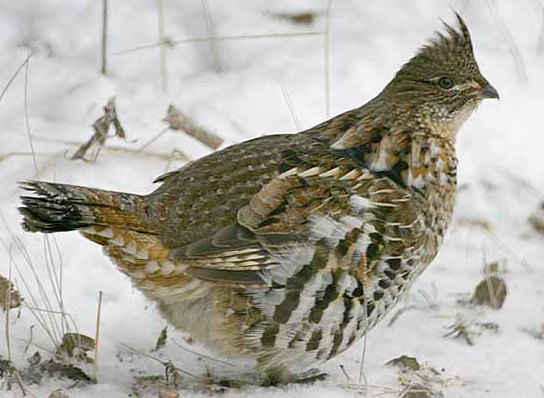
In fact, about 2/5ths or 40% of the 400 wildlife species evaluated are significantly vulnerable to the climate changes expected over the next 20 to 25 years. Chris provided a number of other examples of wildlife species that are considered vulnerable and not likely to be able to cope with the new climate of mid-century Michigan, including ruffed grouse and moose.
Young Aspen Forest
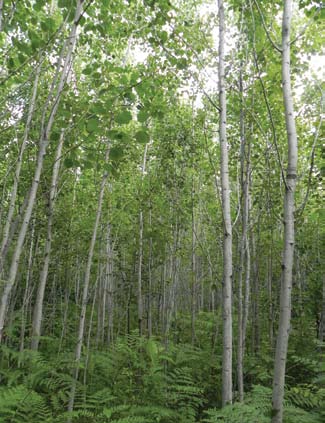
In some cases, the vulnerability of a species is to the loss of habitat caused by climate change. Chris pointed out that ruffed grouse depend on young aspen forest habitat in Lower Michigan. However, young aspen forests are threatened by drying soils. With less habitat, there will be far fewer grouse. VIDEO – SEGMENT 3
The extent of wildlife changes predicted in the report by mid-century in Michigan was quite stunning to me. But, as Chris reminded me, these changes are only the beginning. If discharges of carbon dioxide, methane, and other greenhouse gases continue at current levels, our state’s climate will be similar to present day Arkansas by the end of this century or sooner. Under those circumstances, there will be no northern wildlife species in Lower Michigan. VIDEO – SEGMENT 4
When I asked about what’s being done to address these concerns, Chris described DNR’s efforts to better manage wildlife habitat under changing conditions, including efforts to protect habitat. For example, the state built a series of dams many years ago to create flooded and wet wildlife areas. Given the increasing severity of storms and the age of these dams, substantial improvements are needed to protect the habitat. Chris also described a difficult policy discussion now underway in the DNR about the possible re-location of wildlife species. The question is, should wildlife managers move or transplant endangered species areas in the south to new locations further north to help them survive the changing climate. For example, existing populations of massassauga rattlesnake are unlikely to survive without intervention. But it they are to be moved, when and where? The so-called translocation of species is becoming a very hot topic among conservation scientists. VIDEO – SEGMENT 5
In closing our discussion, Chris said there are lots of outdoor enthusiasts from hunters and fishermen to birders and hikers who are raising their voices of concern. He described an effort to bring together a large number of conservation organizations to help wildlife management efforts in coping with climate change – Beyond Seasons End (adapt.nd.edu/resources/1069). Repeating the words of Dan Ashe, Director of the U.S. Fish and Wildlife Service, Chris said that climate change presents humankind the challenge of our century.
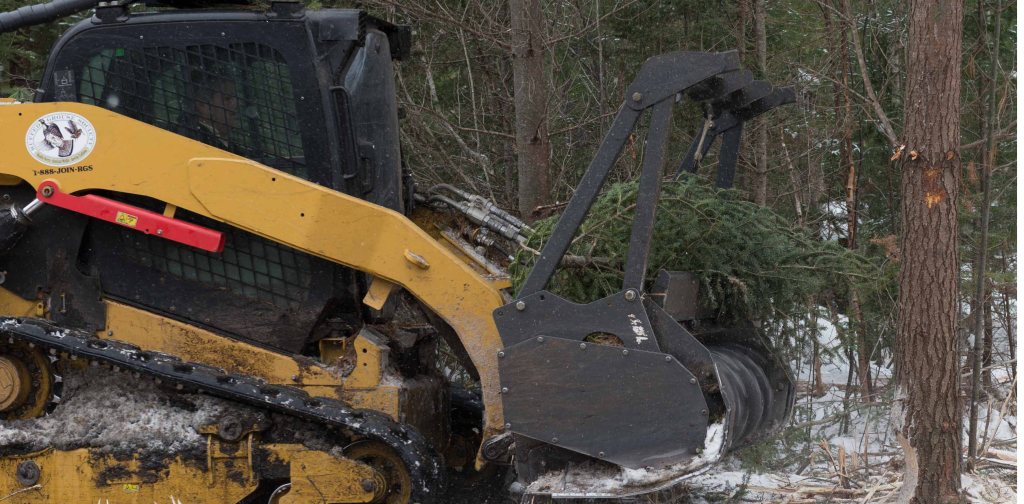
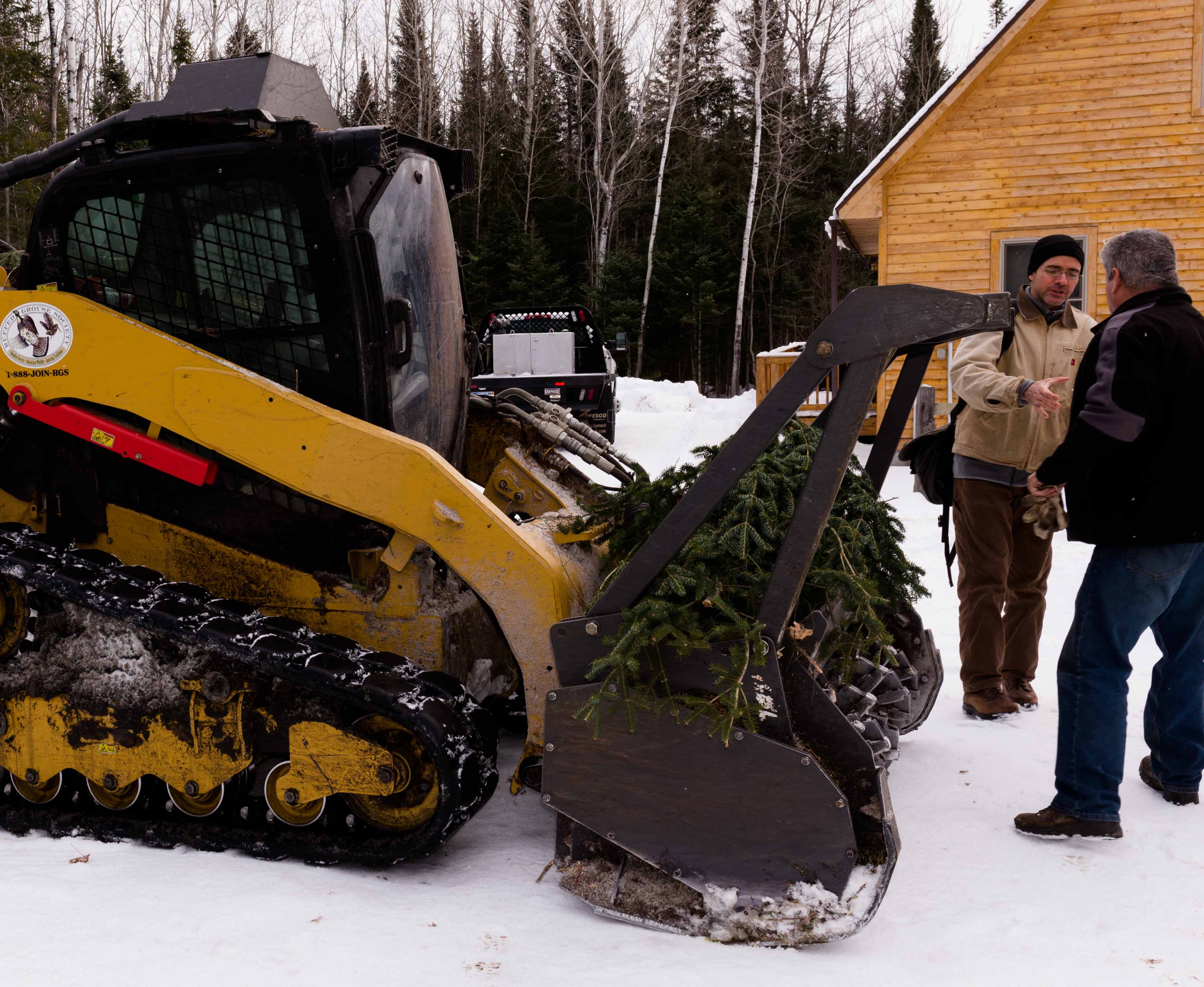

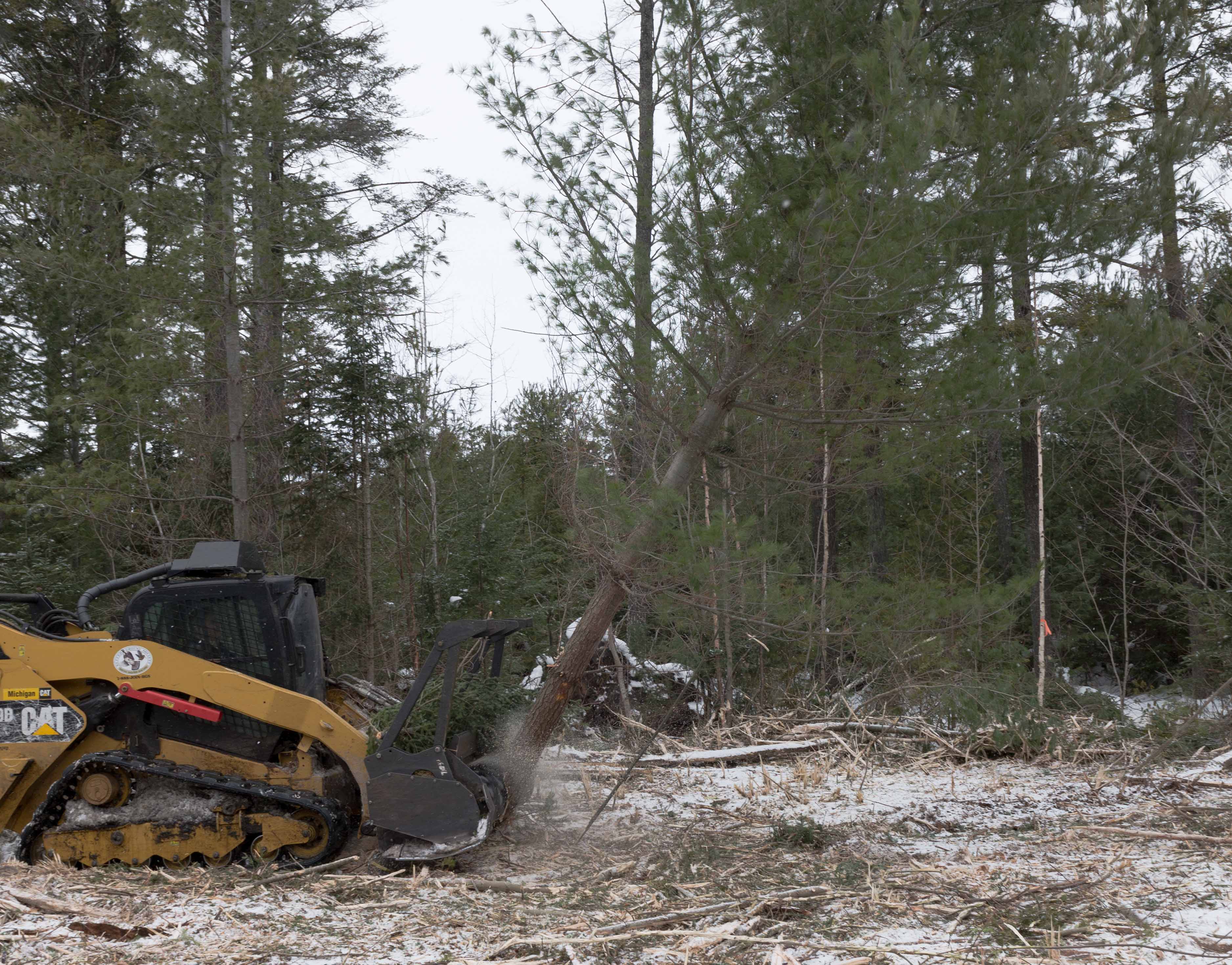
 report from the U.S. Forest Service that says on-going climate change threatens the continued viability of birch-aspen-alder forest complexes throughout Lower Michigan. Eric pointed out that this type of habitat is essential to preserve some of Michigan’s favorite and iconic birds like woodcock, ruffed grouse and many warblers. And that’s why this work has to continue, even in the face of climate change. Diversity of all kinds will give us the best chance of adapting to the change that are coming.
 Joe VanderMeulen