Marking that point of passage on earth’s elliptical path around the sun, the physics of it reaches deep into our bones. Maybe it’s time to say thanks in some pagan way to natural cycles and the drift of things as our sidereal year slips into the deep.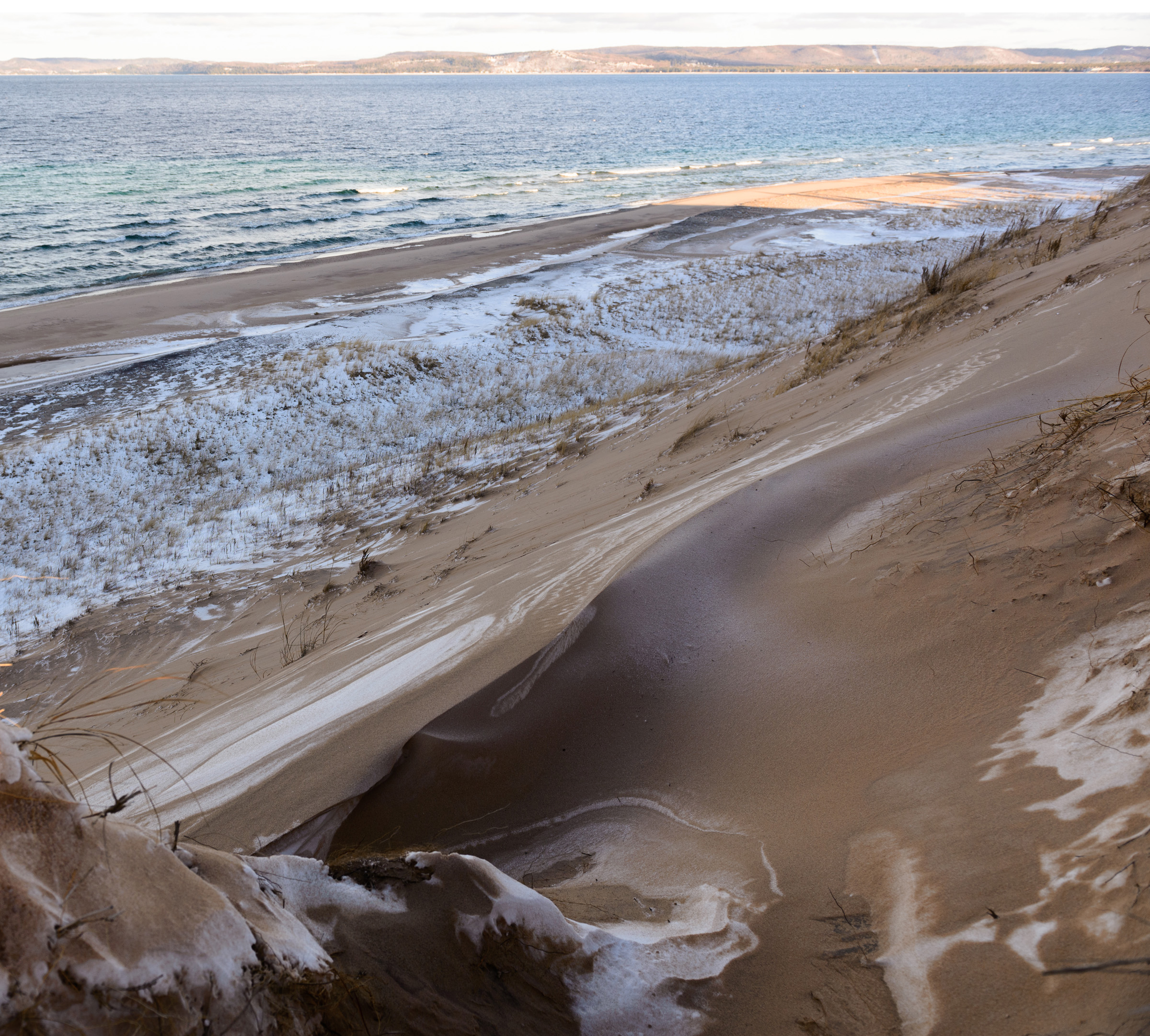
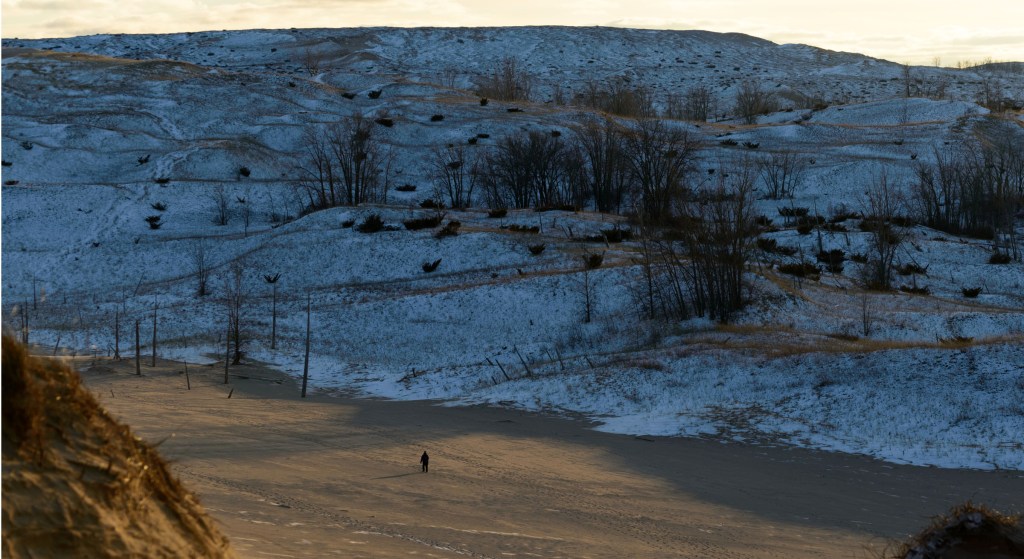
For human traffic, these are quiet times on Sleeping Bear Point. A lone walker pushes up a trail past the ghost forest and on along the secondary dunes. Winter’s austerity settling in, the unrelenting wind mixes sand with snow, sculpting sweeping shapes in variegated colors, muted yellows and browns.
Sometimes a long walk is a form of reverence. You understand that along the carved edges of massive dunes, or feeling the cold wind and spray off of Lake Michigan, or simply staring into the dark blue water surrounding the Manitous. Walking away from the voices of my own monkey-mind, I can feel the connections to a place return.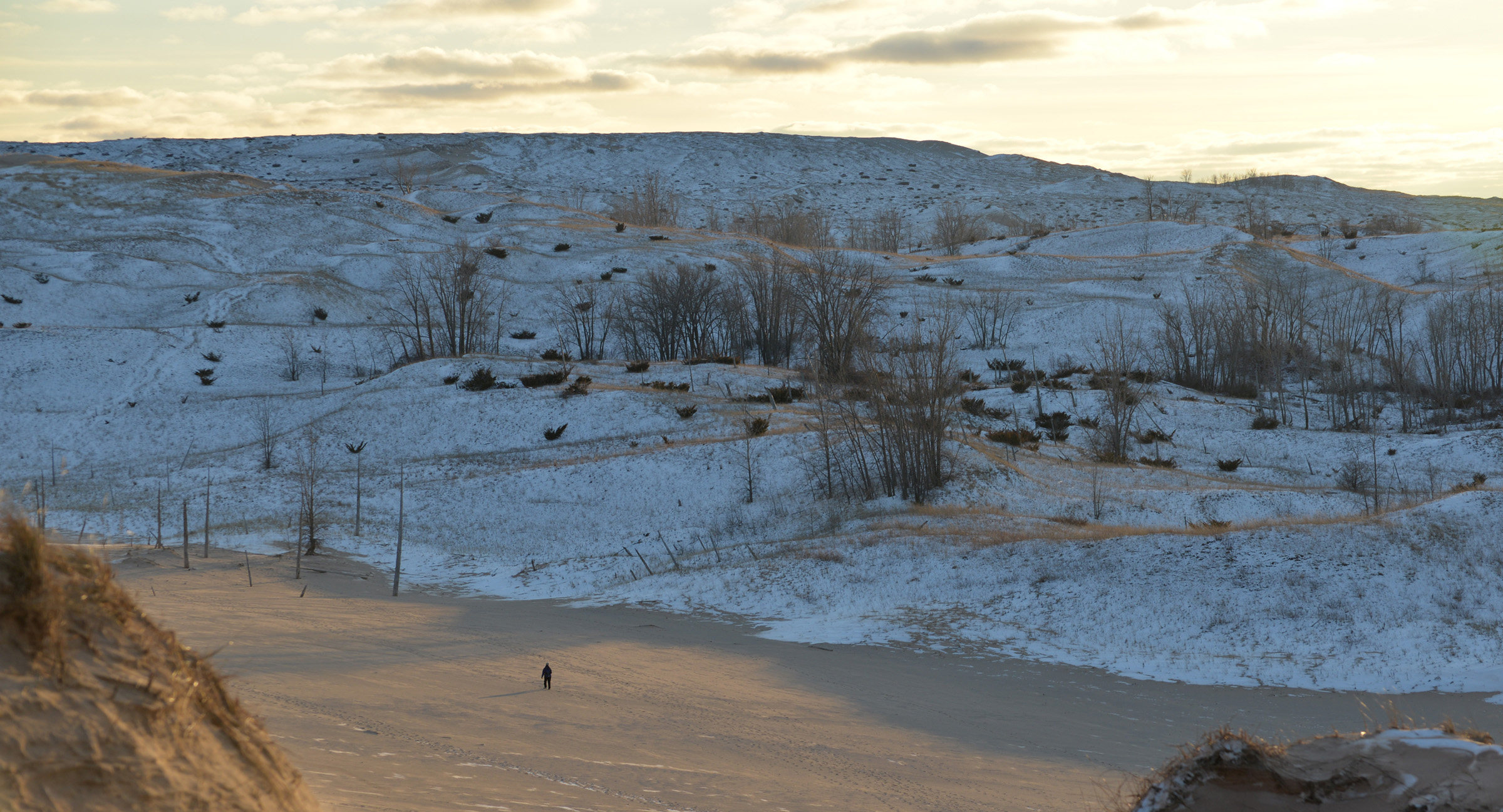
Those connections are essential if we are to be fully present in the skins we’ve been given. How can we notice a community change or build relationships, if we don’t move slowly through the neighborhood from time to time? How do we know the richness and beauty of monarchs on milkweed, if we don’t slow things down and quiet the voices? 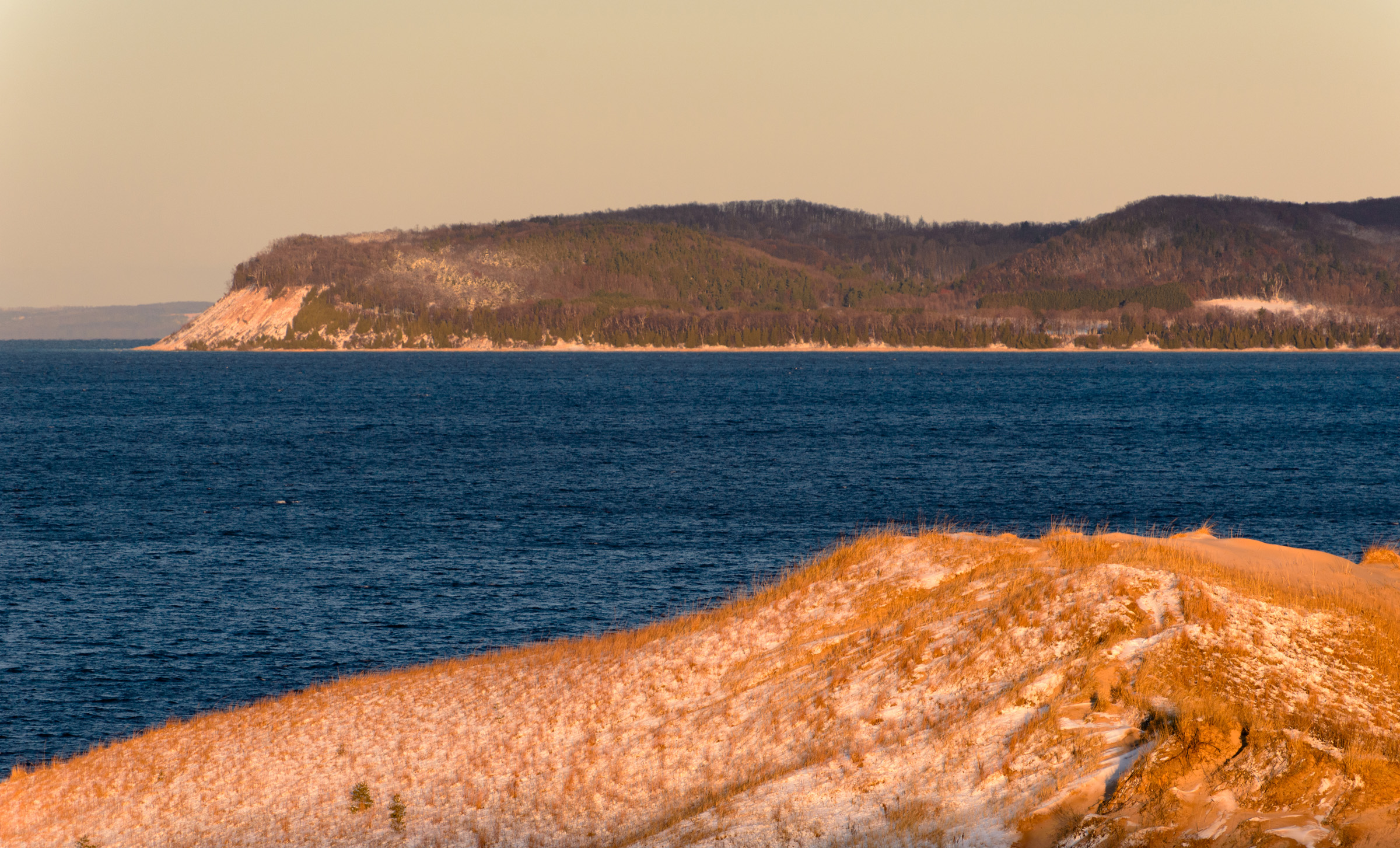
Yes, it’s great to be networked, connected, and globally aware. The data comes pouring in. I take a smart phone everywhere. My attention is splintered and parsed by the advertisers and marketers as well as my own need to be engaged in all things. Too often, I am simply disembodied.
Moving carefully, intentionally along the city streets or taking a lap or two at the local park, can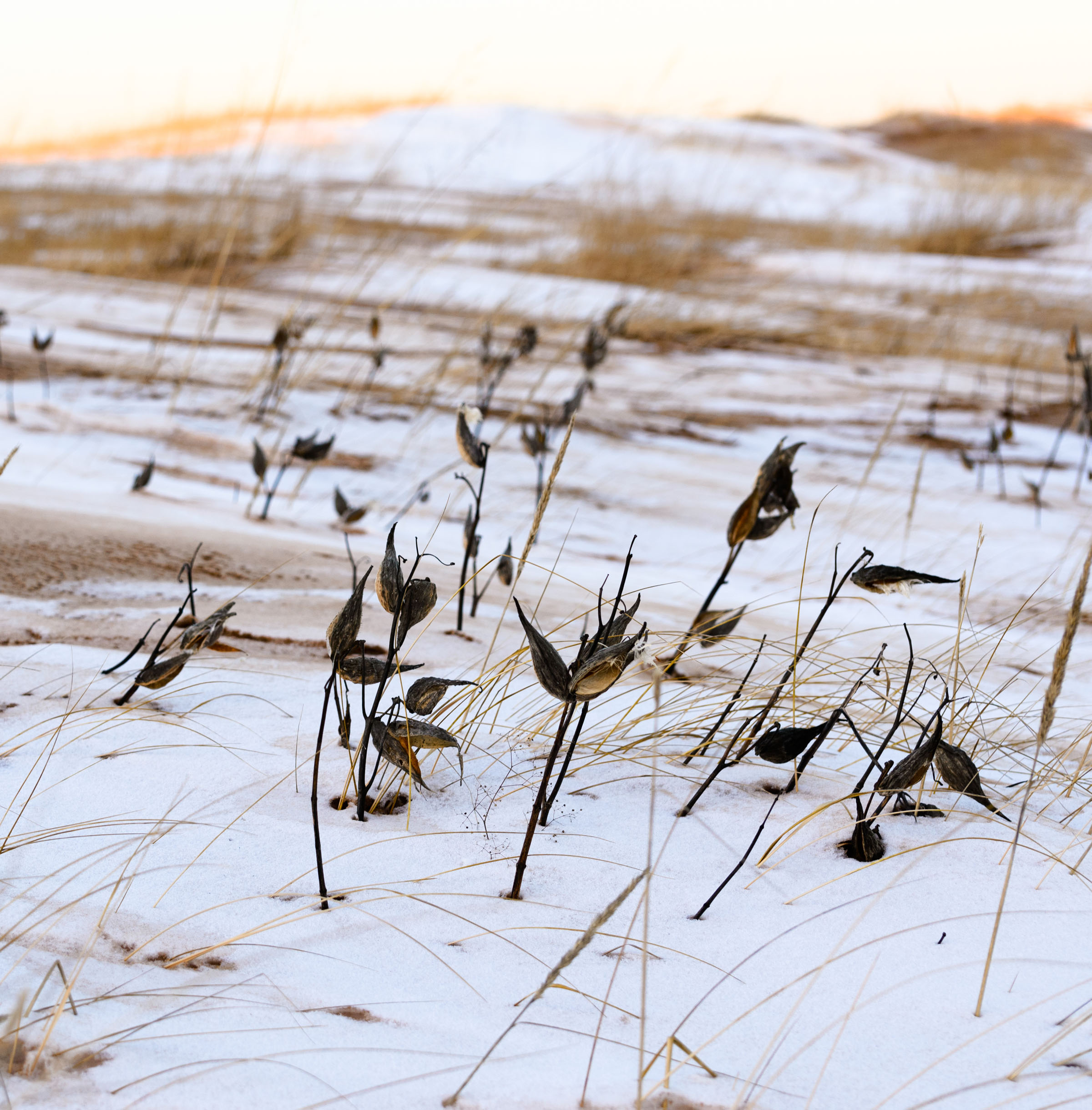 slow it down and bring us back to place. In Michigan, we’re never far from a river or lake; close enough to study the swash marks, waves or riffles. To feel the wind and sand, the shells of milkweed, the sleeping aspen on a sandy slope requires only a little exertion, a little time.
These small things remind me to be grateful at this winter’s solstice, while standing on our somewhat flattened sphere. We fly along this grand ellipse, 93 million miles out from the sun (average) and traveling 67,000 miles per hour; it’s no wonder we’re dizzy. Even with feet firmly planted on this earth, you can feel the axial tilt looking for the sun so far south.
Thankfully, earth’s tilt stays close to 23.4 degrees as we make a year-long journey around the sun. The differential heating along our elliptical path has given us the seasons and relatively steady climates across the world. Without these steady climates, the diversity of living things we know could not exist.
So, I’m going to celebrate this moment of solstice (6:03 p.m. on some human clock); grateful that the sun is on its appointed path across the celestial sphere and the days are getting longer. In this winter chill, I know more sun and warmer walks will arrive soon enough.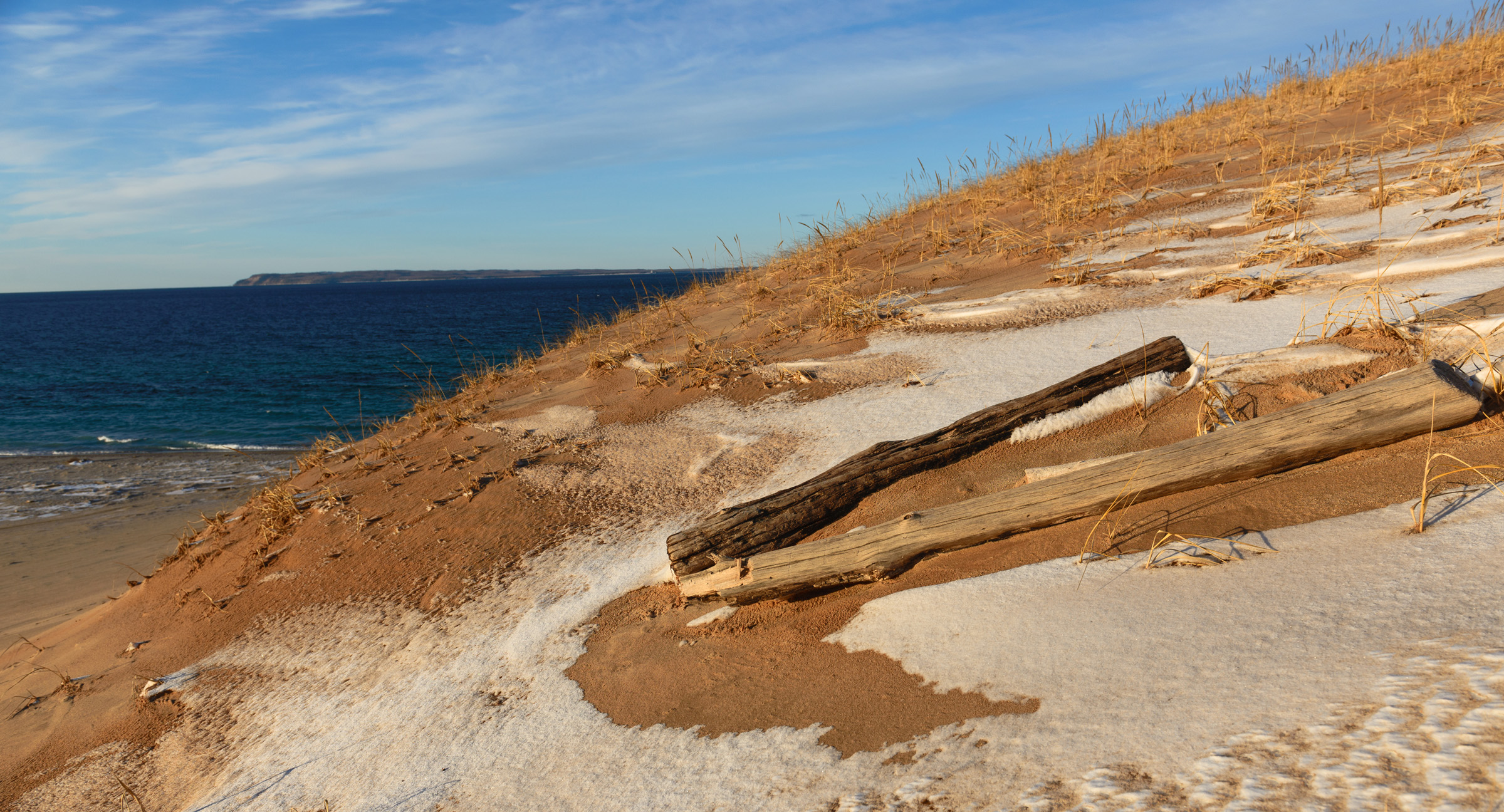
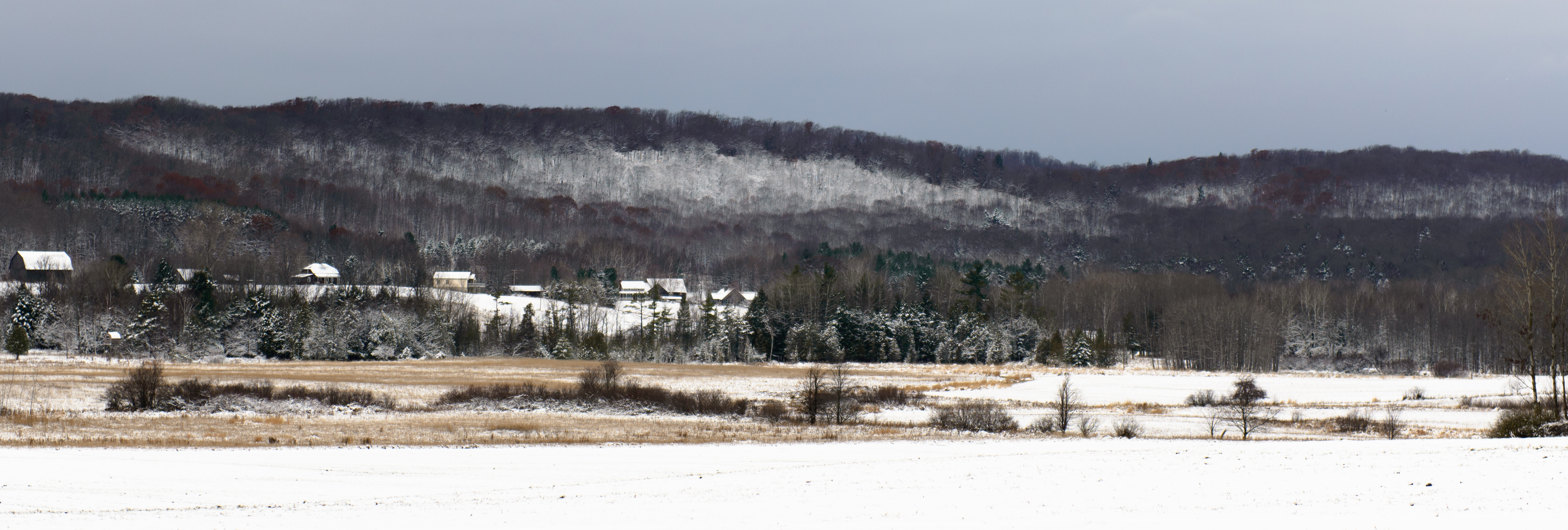
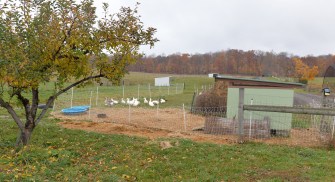
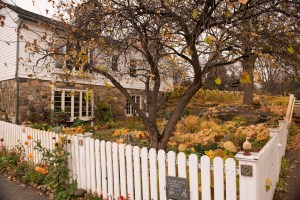 Jointly held by the Americana Foundation and Michigan State University, the Tollgate Farm Education Center is an incredible resource for food and farming education in an urban setting. As I see it, Tollgate is poised to teach the basics of urban agriculture and food-systems management for greater community resilience across Southeast Michigan.
 Moving to the property in 1836, John Basset later built the farm house that still stands on Meadowbrook Road at the Tollgate Farm Education Center. Adolph and Ginger Meyer bought the farm in the 1950s and preserved it as a working farm and educational resource held in trust by the Americana Foundation.
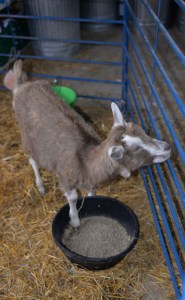 Michigan State University (MSU), the bucolic and picturesque Tollgate Farm Education Center remains an important historic resource for people throughout Michigan. Tollgate now offers a variety of facilities, programs and support to an array of groups, including a 4H youth group, science and farming summer camps for youth, bee-keeper education and catered business group meetings.
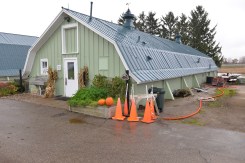 Alan in a discussion about the future. And all agree that Tollgate is a critical resource for natural resources, agriculture, and food-systems training in Southeast Michigan. With some work and thoughtful dialogue, there will soon be a plan for coordinated action that provides a clear vision and achievable goals for immediate and long-term development of Tollgate Farm Education Center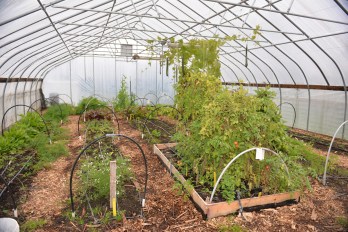
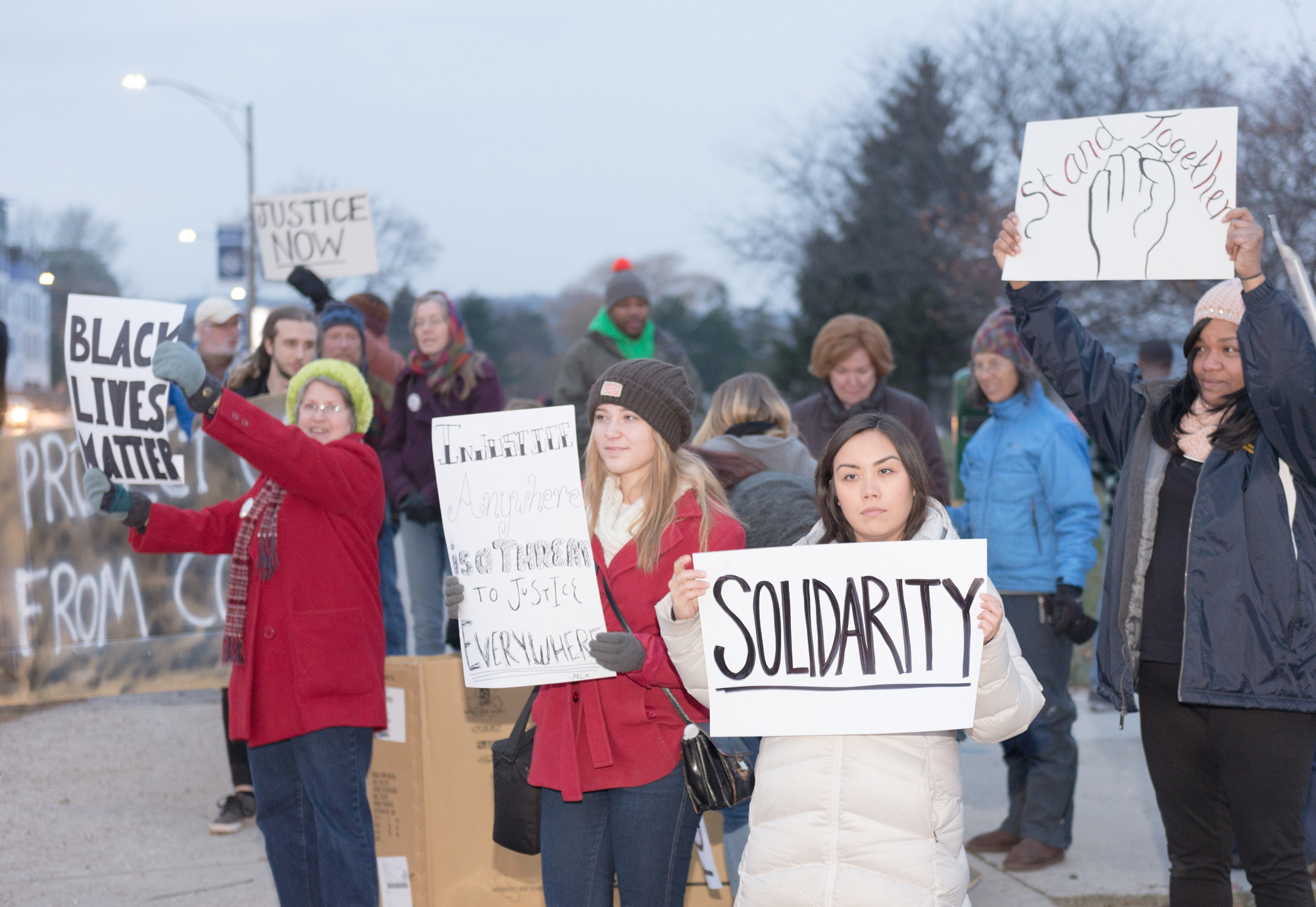
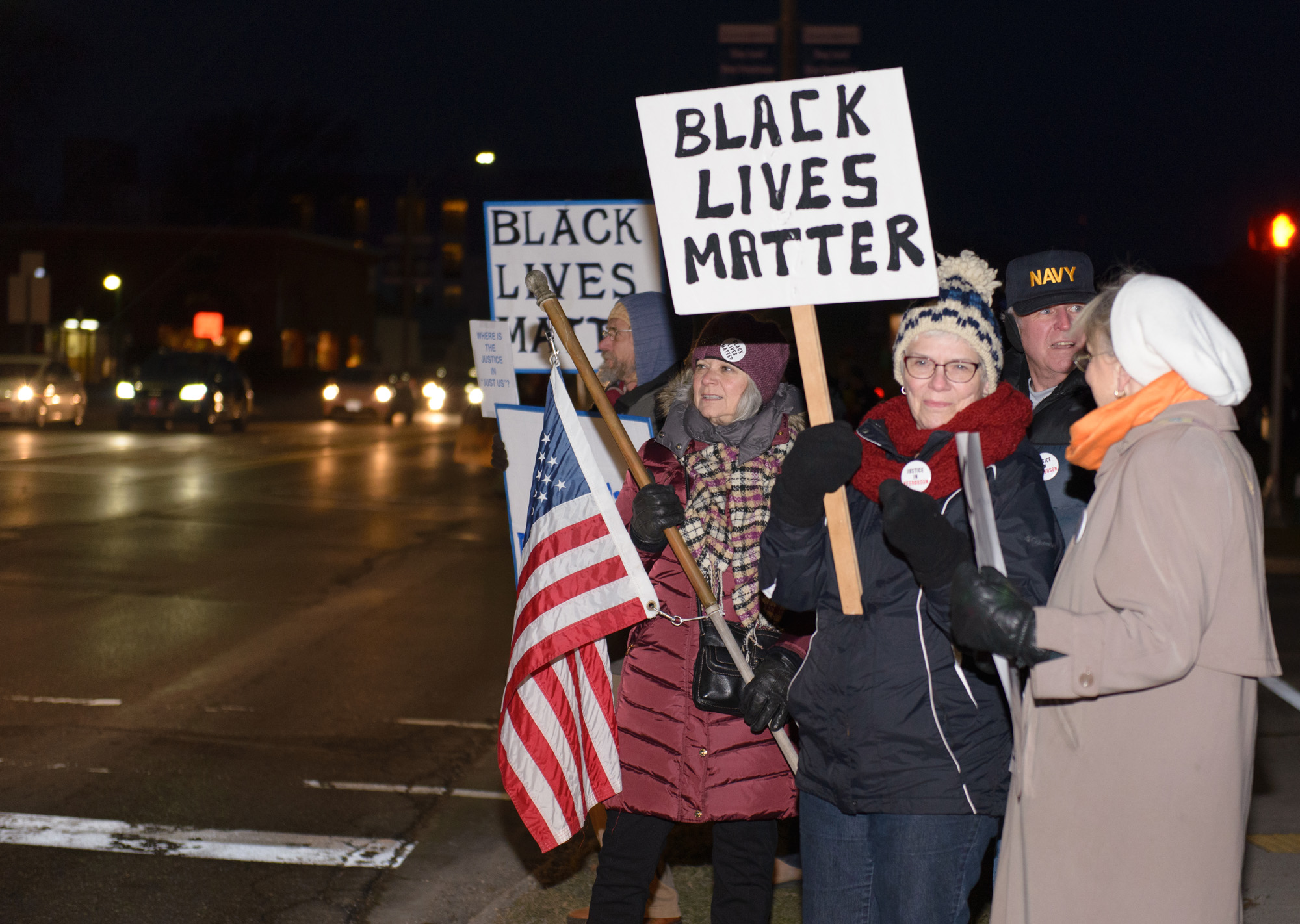
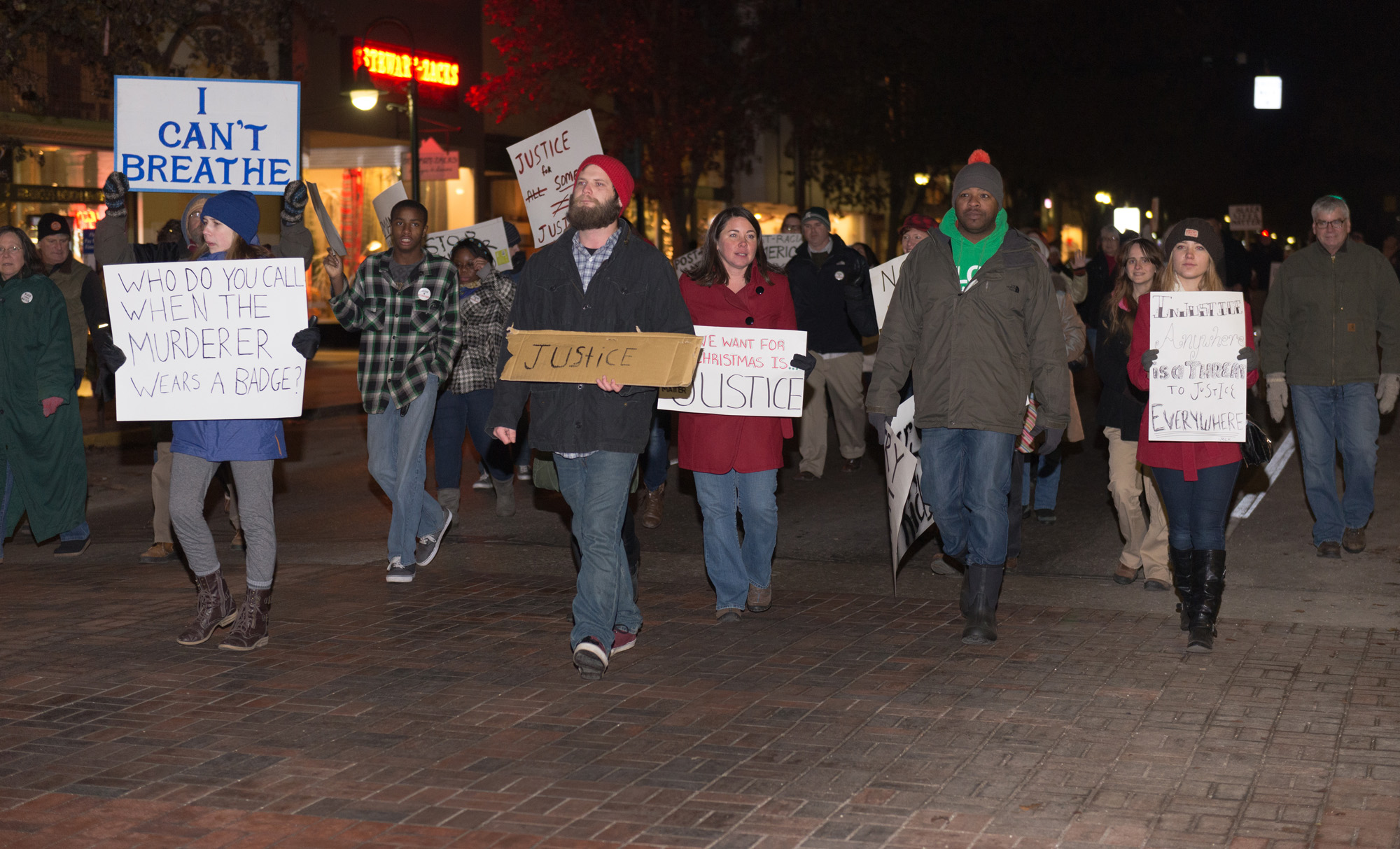
 The guns and brutality of force so heavily focused on minorities, demands redress. The racism and bigotry that drive these monstrous acts must be excised and healed.
 Joe VanderMeulen